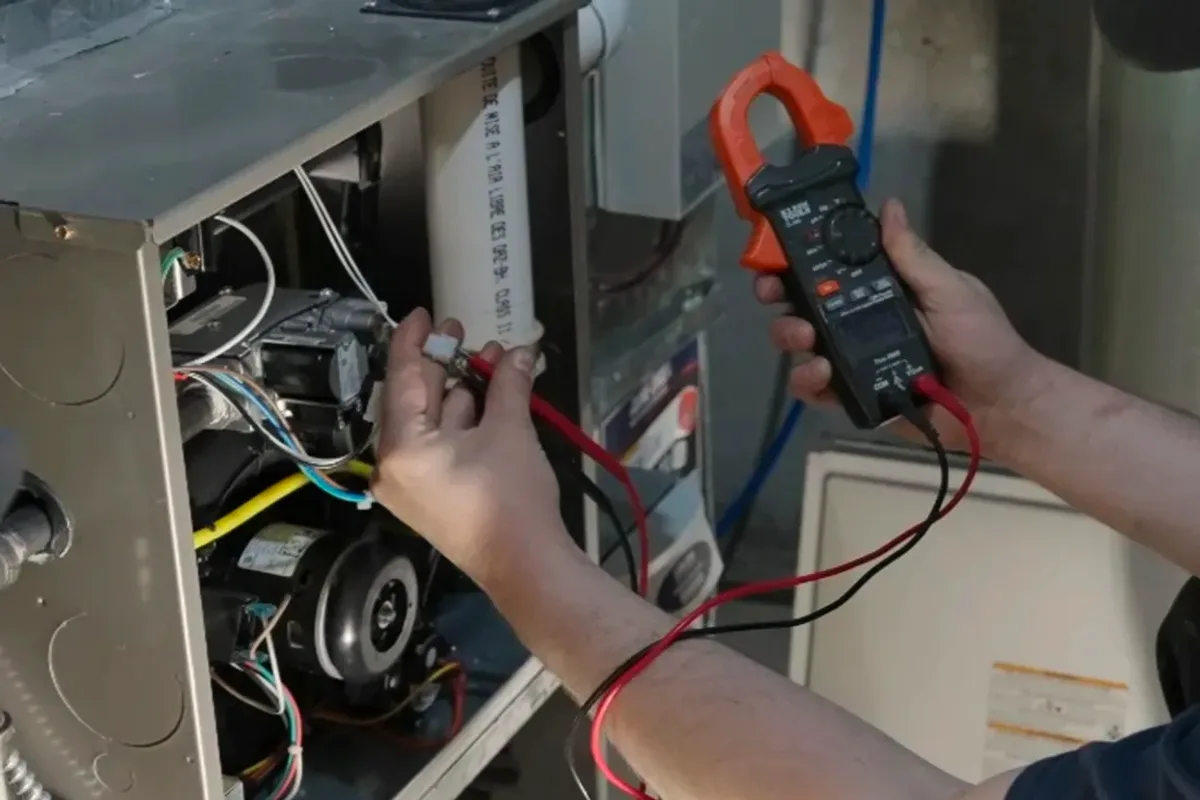
What should be checked when a furnace will not start or heats unevenly?
A furnace that will not start, produces uneven heat, or makes an unfamiliar sound needs diagnosis based on its symptoms and equipment type. Ignition faults can prevent a burner from lighting, while airflow restrictions, a failing blower, or a control problem can affect heat delivery differently. Gas, propane, and oil equipment also have distinct fuel and combustion components. Recording when the fault occurs and any displayed error code can help distinguish a repair need from a maintenance finding or a system whose condition warrants replacement assessment.
Diagnosis should identify the furnace fuel, model, error indications, and what happens during a call for heat. A thermostat or ignition fault differs from a draft inducer, limit-control, or blower problem, and those distinctions affect the repair scope. Inspection findings and the unit's age and condition help compare repair with replacement without assuming either is preferable.
Gas, propane, and oil furnace faults
Ignition, draft, blower, and temperature-control diagnosis
Furnace maintenance findings and repair-versus-replacement decisions
Assessment and Scope
Questions for the Proposed Work
01
Separate ignition faults from airflow problems
A furnace that does not light may have an ignition, fuel-delivery, or combustion-control fault, while a running furnace with weak or uneven heat may point to airflow, blower, filter, or duct conditions. The timing of the failure, burner behavior, and any fault code help narrow the cause. Fuel type matters because gas, propane, and oil furnaces use different components and require diagnosis suited to the installed appliance.
02
Use inspection findings to choose repair or replacement
A failed thermostat, igniter, or other replaceable component may support a focused repair if the rest of the furnace is in suitable condition. A draft inducer or heat-exchanger finding can involve a different scope and should be explained using the appliance's inspection results. Comparing the proposed work with the furnace's age, condition, and repair history helps frame a replacement decision without treating one fault as an automatic reason to replace.
03
Let maintenance follow the equipment instructions
A maintenance inspection can review airflow, the filter, burner condition, thermostat operation, and other components identified by the furnace manufacturer. Findings may reveal a correctable restriction or a developing fault, but maintenance does not establish that every part needs adjustment or replacement. Ask which observations support each recommendation and whether the work is maintenance, a repair, or a separate safety-related finding.
Compare the next step
Keep the immediate repair quotation separate from an equipment selection for the renovated home. Ask what load information will be updated after insulation or window work and whether the retained distribution remains suitable. Record the renovation assumptions so a future bidder does not simply reproduce the previous furnace capacity.
Leave burner, fuel, venting, electrical, and internal equipment work to a qualified contractor. Do not bypass a safety switch or repeatedly reset a furnace.