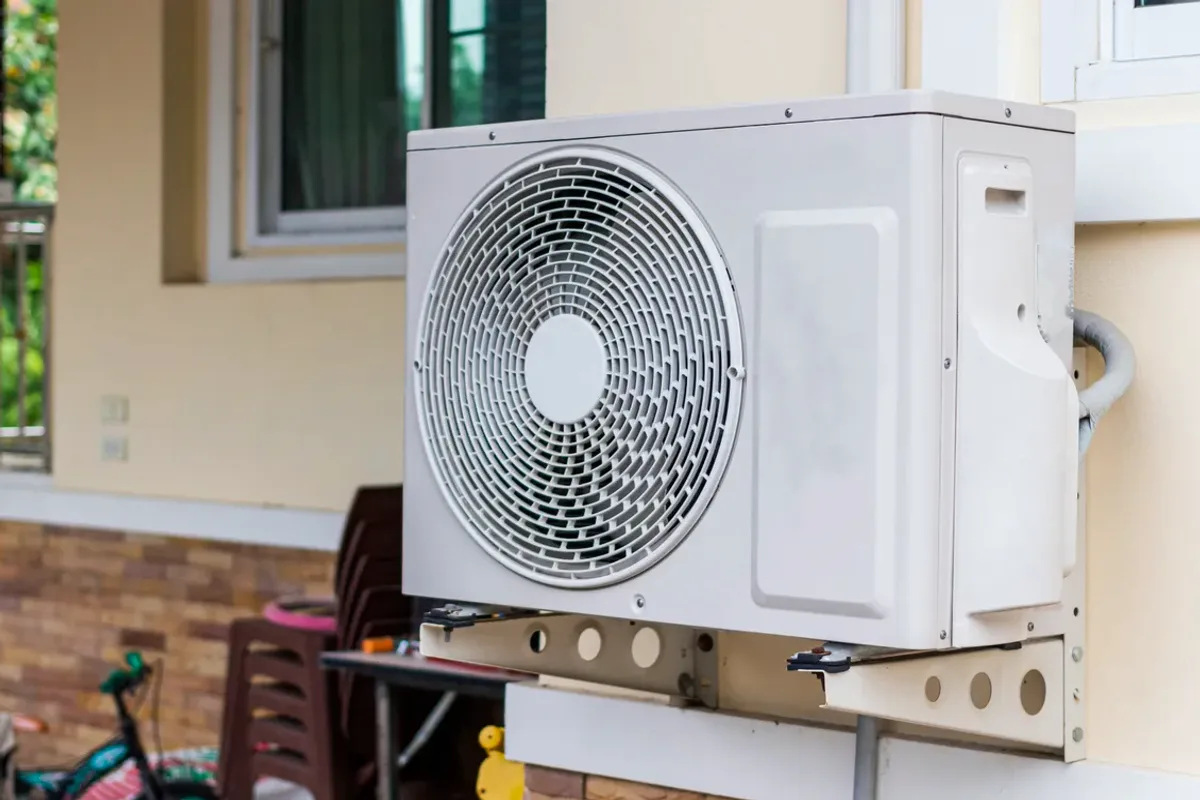
Request heat pump repair & installation for a property in London. Include the equipment, the problem or planned work, and your location so the request can be reviewed.
How can a homeowner tell whether a heat pump needs repair or replacement assessment?
A heat pump that does not heat or cool as expected may have a control, airflow, electrical, or refrigerant-circuit fault, while a new installation requires a separate equipment and site assessment. Report whether the problem occurs in heating, cooling, or both, and note unusual cycling or noise. A sensor, contactor, capacitor, or relay issue differs from compressor trouble or a system-sizing concern. The model, age, service history, and inspection findings help determine whether a repair is appropriate or replacement should be compared.
Diagnosis should establish the operating mode, controls, airflow, fault indications, and which components operate during a heating or cooling call. A stuck relay or failed sensor differs from a refrigerant or compressor fault. For replacement, the property and existing distribution need assessment alongside equipment selection. Age may inform the comparison, but the confirmed condition and repair scope matter more than a fixed age threshold.
Heat-pump heating and cooling fault diagnosis
Sensors, relays, contactors, capacitors, airflow, and compressor concerns
Heat-pump installation planning and repair-versus-replacement comparison
Assessment and Scope
Questions for the Proposed Work
01
Trace operating symptoms to the component involved
A heat pump that will not change modes, runs unevenly, or continues operating unexpectedly may have a control, sensor, relay, contactor, or airflow issue. A system that runs but does not provide expected heating or cooling needs checks suited to its refrigerant circuit and operating conditions. Observations about the mode, cycle behavior, and any displayed fault help distinguish these possibilities and define whether a focused repair or further diagnosis is needed.
02
Assess installation needs separately from repair
A replacement assessment should consider the spaces served, existing heating and cooling arrangement, equipment location, and the intended role of the new heat pump. Selection cannot be based on the old unit's model alone, since property needs and distribution conditions may differ. Review the proposed capacity and configuration, and ask how the installation scope relates to existing connections or other equipment before comparing alternatives.
03
Compare repair and replacement using condition
A repair may be reasonable when inspection identifies a limited fault and the remaining equipment is in serviceable condition. A major compressor problem, repeated faults, or several deteriorated components may justify comparing replacement instead. The unit's age is relevant context, not a universal cutoff. Ask what testing supports the diagnosis, what the repair addresses, and how the proposed work compares with a replacement assessment.
Compare the next step
Request a load calculation that identifies completed upgrades and work still planned. Ask how the selected capacity, low-temperature performance, and supplementary heat relate to those assumptions. If construction is staged, discuss whether the proposed operating strategy remains appropriate between the first and final renovation phases.
Cold-climate capability does not prove that one model covers every home heating load. Ask how the selected equipment and supplementary heat meet the actual design requirements.